Bulk
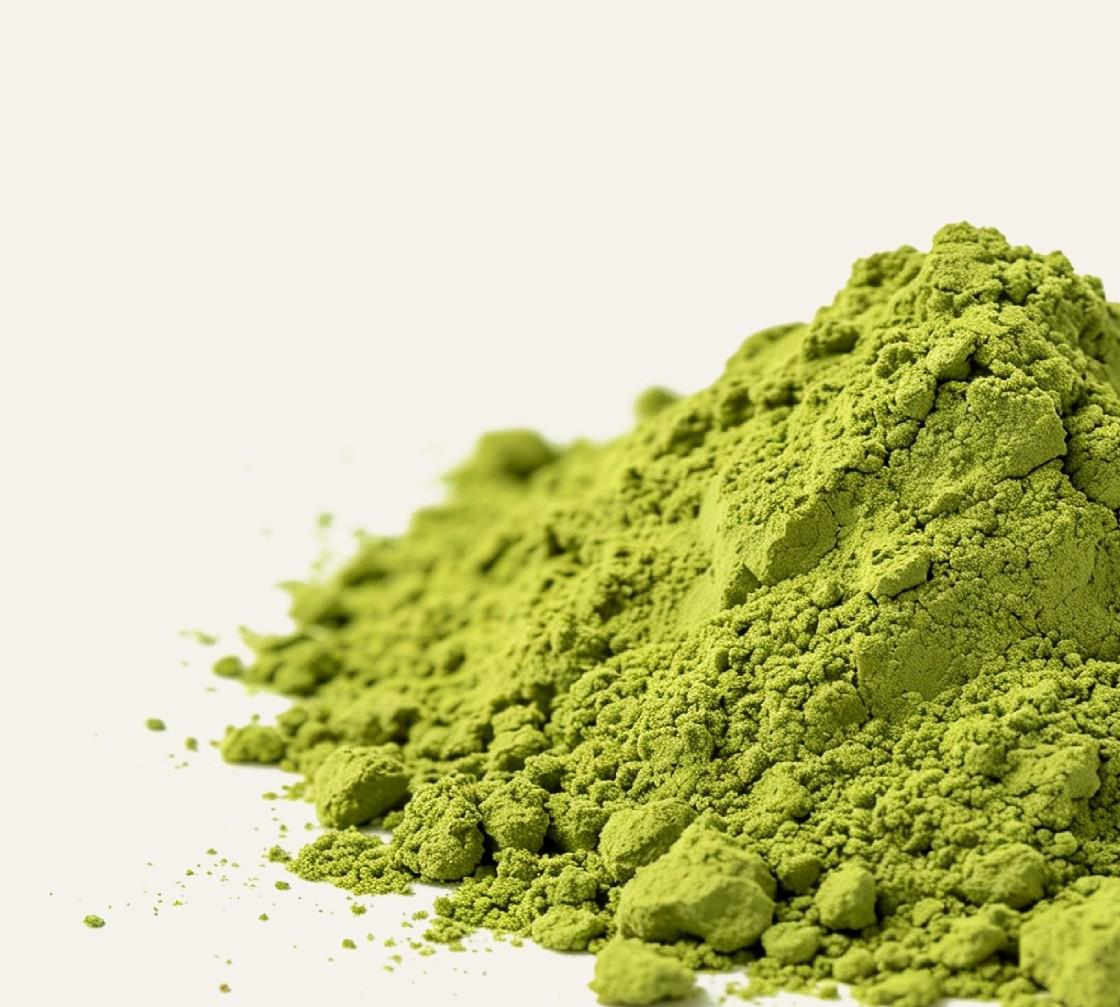
Bulk matcha powder
Food-service and ingredient supply in foil-lined 10 kg cartons or 1 kg packs, for beverage manufacturers, bakeries and ice-cream producers.
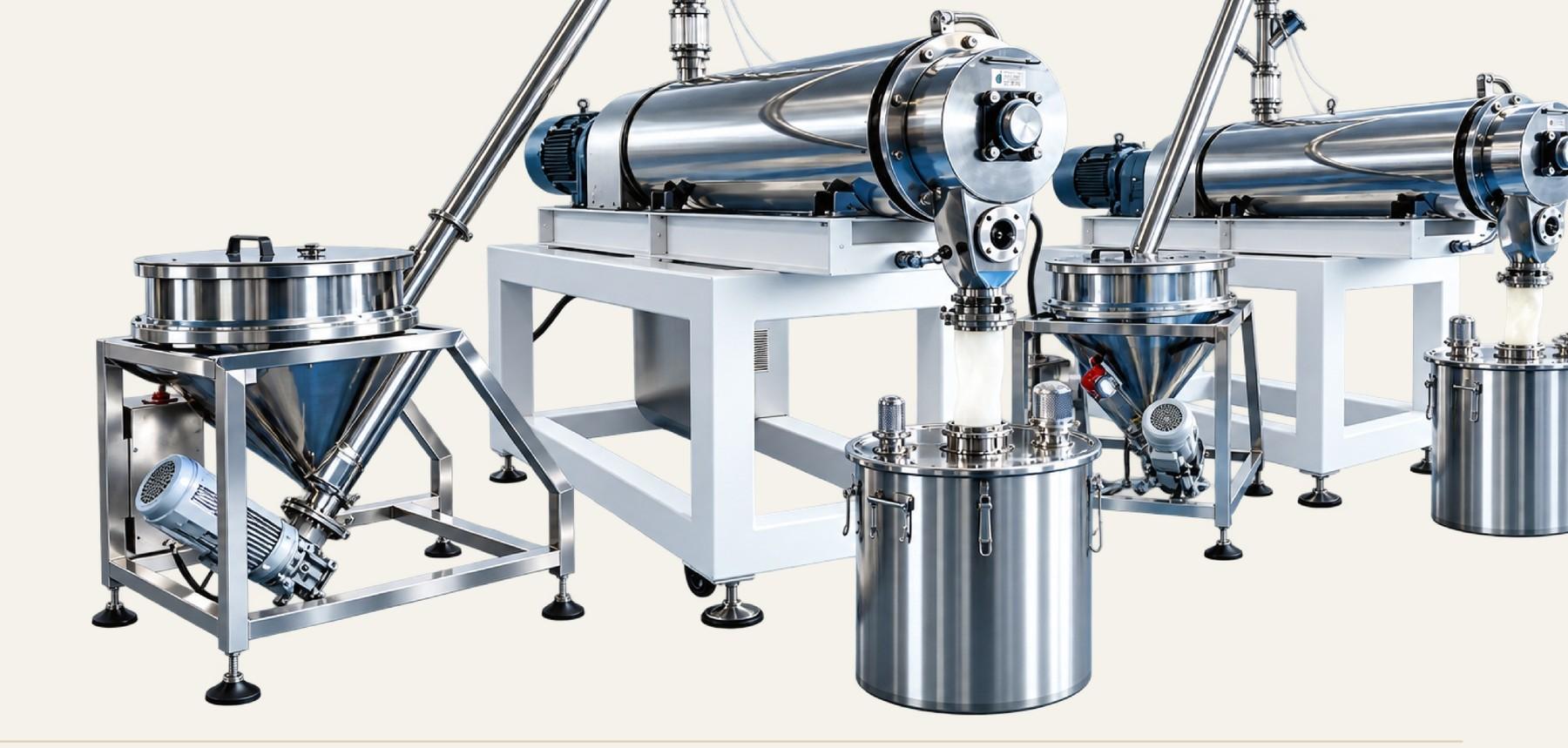
Matcha loses its colour to heat and oxygen during milling. The fix is not a cold room — it is a jacketed, water-cooled milling chamber on a sealed material path, so the temperature stays down inside the machine.
Some producers build an entire low-temperature workshop to keep the powder from oxidising. That is one answer. Ours is to take the heat and the air out of the milling step itself, which keeps the colour without the cost of climate-controlling a whole hall.
Grades are defined by origin, cultivar and harvest, not by marketing label. The table below is the reference we quote from; the right grade depends on whether the matcha is being drunk on its own or blended into a drink or a bake.
| Grade | Standard | Origin | Cultivar | Character |
|---|---|---|---|---|
| 1A | China national standard | Hubei | Jiukeng, Maojian | Entry grade, suited to blending and flavoured drinks |
| 2A | China national standard | Hangzhou | Longjing, Maojian | Everyday drinking and beverage base |
| 3A | China national standard | Hangzhou | Xiaoye Fuding, Longjing, Yuye | Cleaner aroma, good for latte and bakery |
| 5A (tea ceremony) | China national standard | Guizhou | Longjing, Zhongcha, Biluochun | Spring harvest, fresh aroma; drunk on its own |
| 6A (tea ceremony premium) | China national standard | Hangzhou | Longjing 43, Longjing Changye, Zhenong 113, Aolü | Richer umami, for premium retail |
| 7A (ceremonial) | China national standard | Hangzhou | Zhongcha 108, Saobei, Longjing 43, Wuniuzao | Spring harvest, creamy note; ceremonial use |
| 8A (ceremonial A+) | China national standard | Hangzhou | Aolü, Saobei, Longjing, Biluochun | Top of the range, single-serve ceremonial |
| EU / JP spec 2A | EU / Japan spec | Wuxi | Zhongcha, Longjing, Maojian | Exported against EU or Japanese residue limits |
| EU / JP spec 3A | EU / Japan spec | Hangzhou | Zhenong, Biluochun, Longjing | Exported against EU or Japanese residue limits |
| EU / JP spec 5A | EU / Japan spec | Hangzhou | Longjing, Maojian, Jiukeng | High grade under EU / JP spec |
| EU / JP spec 6A | EU / Japan spec | Guizhou | Zhongcha 108, Qiancha, Yunwu | High grade under EU / JP spec |
| EU / JP spec 7A | EU / Japan spec | Hangzhou | Zhongcha 601, Saobei, Gyokuro | Top grade under EU / JP spec |
Note on the EU / JP spec rows: these are the grades we recommend when the destination market applies stricter pesticide-residue limits than the Chinese national standard. Confirm the applicable limit list for your market before fixing the grade — it changes the sourcing window and the price.
Matcha sells in several materially different formats, and the format drives the filling equipment, the dissolution behaviour and the shelf-life claim.
Food-service and ingredient supply in foil-lined 10 kg cartons or 1 kg packs, for beverage manufacturers, bakeries and ice-cream producers.
Stick and sachet filling for single-serve matcha lattes, foil pouches for 30 g to 240 g retail packs, and sealed jars for ceremonial grade.

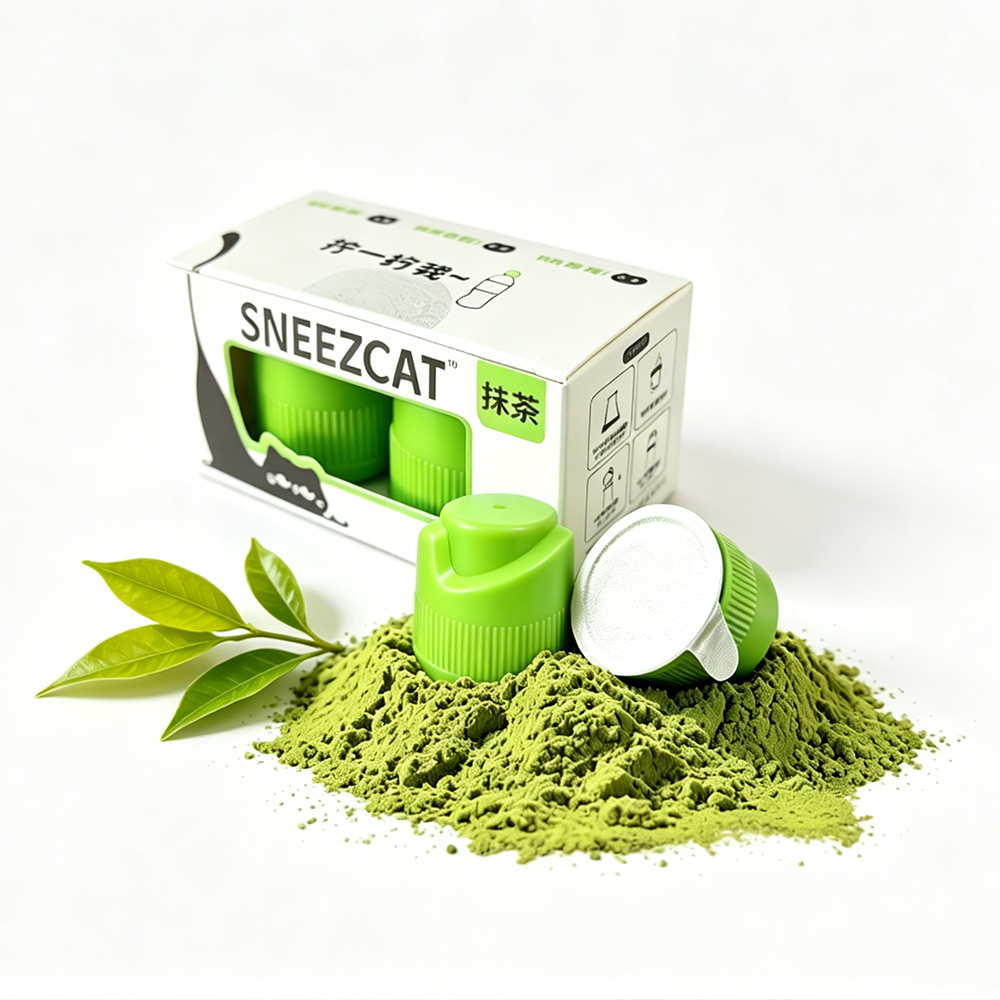
Matcha dosed into a screw-on cap: the consumer twists it and the powder drops into the water or milk below. Powder and liquid stay separate until the moment of drinking, so no preservative is needed and the drink can be made in an ordinary bottle.
The route is short, which is exactly why each step has to be right. There is no later stage that can correct a mistake made at fixation or milling.
Matcha is sold on colour, and colour survives or fails depending on how the finished product is stored and used — so we formulate against the end application.
Tell us the product, pack format, target volume and destination market. You get a formulation proposal, a quotation and a realistic lead time back.