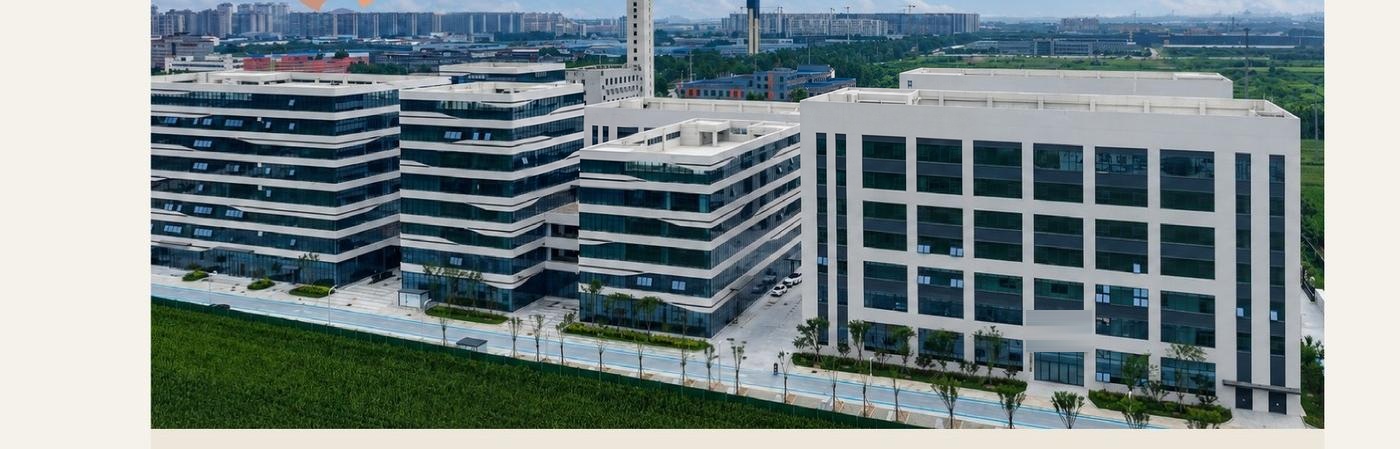
Base 01
Deep processing
Roasting, extraction, concentration, spray drying, freeze drying, low-temperature ball milling and steam fixation. This is where green coffee, tencha and other raw materials become a specification-grade ingredient.
The platform is split into raw material deep processing and finished-goods packing. This page sets out what each line does, what it is good at, and where your product would sit.
The split is not cosmetic. It means a container-scale ingredient order and a 2,000-unit private label run can be scheduled in the same month without one displacing the other.
Roasting, extraction, concentration, spray drying, freeze drying, low-temperature ball milling and steam fixation. This is where green coffee, tencha and other raw materials become a specification-grade ingredient.
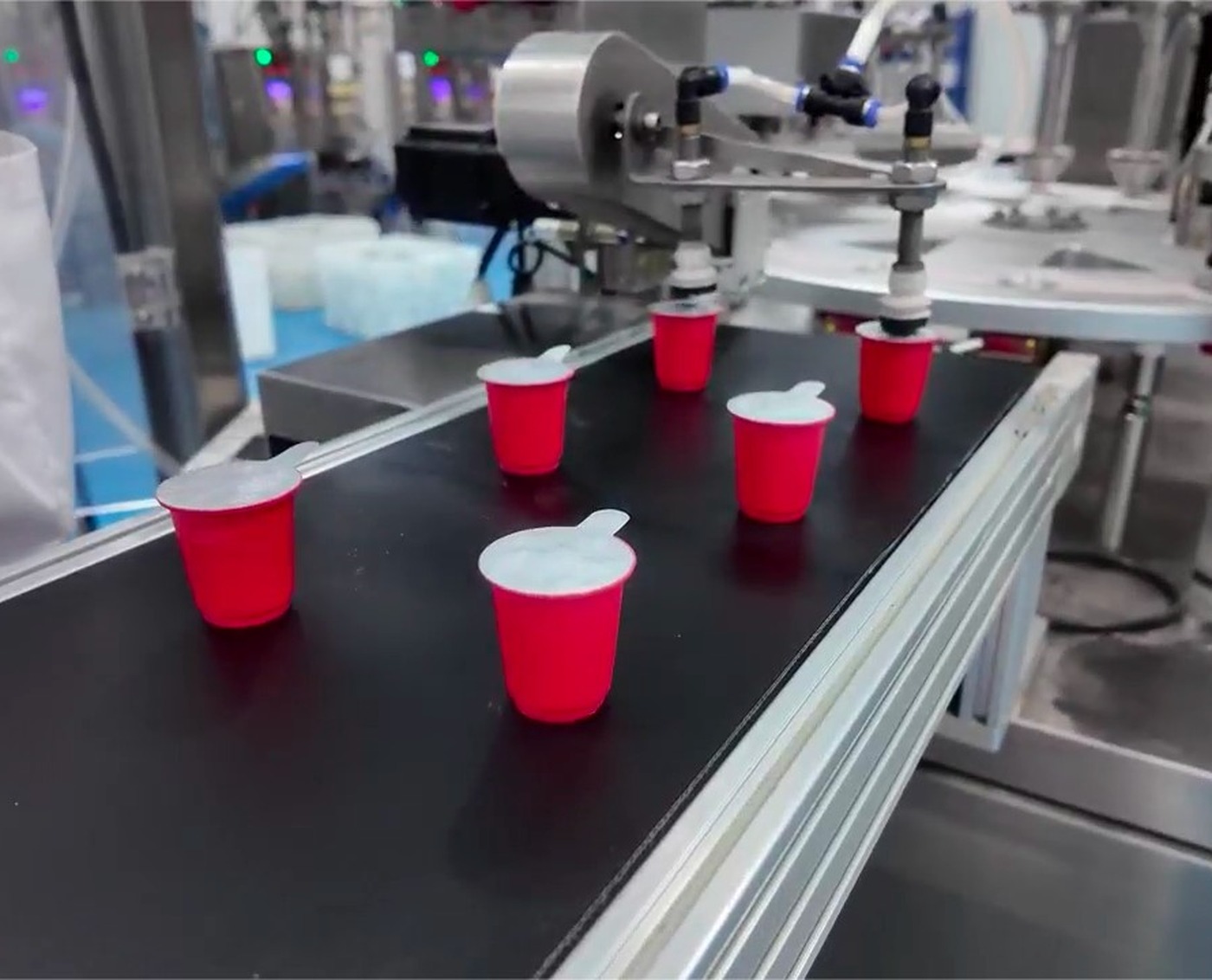
3D vacuum mixing, stick and sachet filling, tablet pressing and coating, triangle tea bags, GMP cleanroom filling and automated cartoning. This is where the ingredient becomes a retail pack.
Each line exists because a specific process step cannot be done properly on general-purpose equipment.
Zoned temperature control with multi-stage roast curves and hot-air plus drum hybrid heating. First and second crack are locked by recipe, with real-time closed-loop temperature control.
A dedicated condensate recovery system means volatile aroma compounds are captured and returned rather than vented. Soluble-solids yield is raised while closed-loop water use is cut.
High-speed centrifugal atomisation gives a controlled droplet size, and HTST short-time drying with PLC temperature control keeps batch-to-batch colour and solubility stable.
Feeding, grinding, filter-bag forming, dosing, sealing, tab attachment and cutting run as one automated flow. Low-temperature grinding limits heat damage and the heat seal is verified.
Horizontal ball mill with a jacketed, water-cooled chamber, dedicated liquid cooling and a fully sealed material path, combined with a jet mill for final particle sizing.
Steam temperature and dwell time are held precisely so the leaf is fixed quickly. The stated target is 16 minutes from tea garden intake to processing start, which protects both colour and the functional compounds.
Formulation and filling sit together, so a change to the blend does not turn into a separate logistics problem.
Multi-directional tumbling accelerates particle flow so blending reaches the corners of the batch rather than the middle. Sealed discharge feeds straight into the inner-packing room.
Stick and sachet filling at up to 3 million units per line per day, with automatic vacuum feeding and a closed material path from mixer to filler.
High-speed rotary double-sided pressing with efficient coating. Built to hold tablet hardness, keep density even and avoid capping or chipping.
Closed, dust-free production with food-grade stainless contact parts and wash-down surfaces. Handles powders, granules, capsules, capsule cups and tablets.
Precision dosing and aseptic sealing for herbal, floral, fruit and blended teas, with the bag material matched to the fill.
Cartoning and jar packing, case filling, sealing, strapping and palletising, with manual support where the pack needs it and in-line checks on appearance and closure.
Powder products pick up moisture, odour and foreign matter easily. The filling environment is where that is prevented or not.
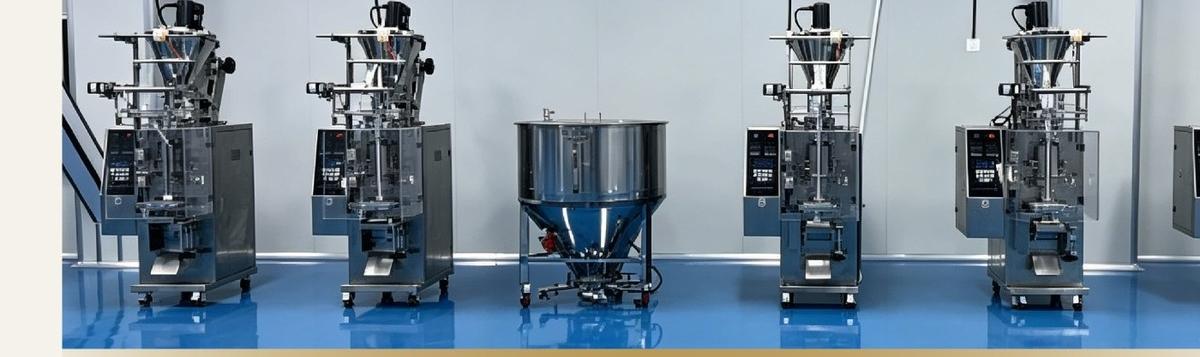
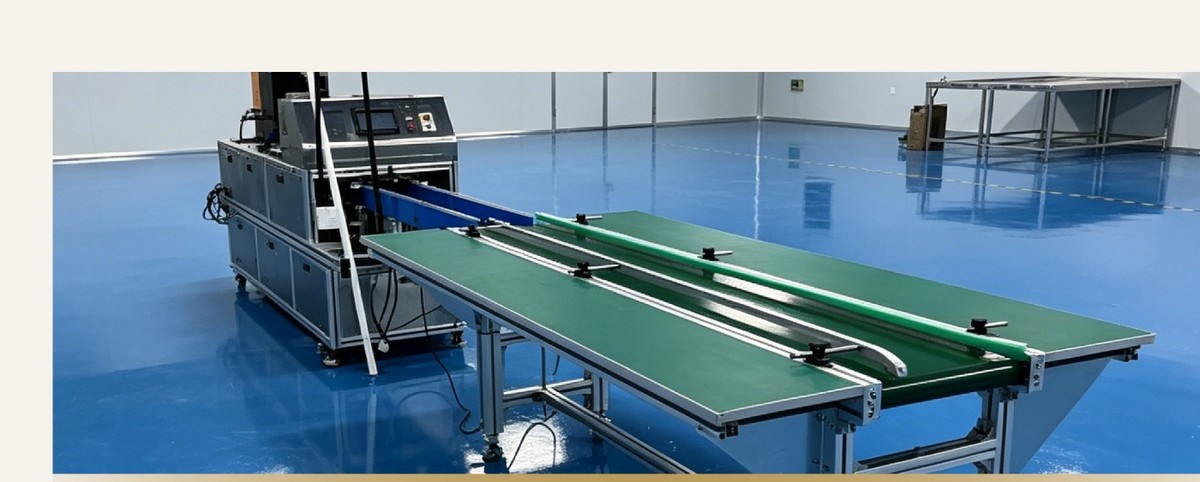
Packing is where most delays quietly happen. Carton and jar packing, case filling, sealing, strapping and palletising are handled on an automated line with in-line appearance and closure checks.
These are the fixed routes. A private label brief usually maps onto one of them with only the formulation and pack format changing.
This is the sequence a customer actually experiences, whether the order is 2,000 units or a full container.
We take the brief, run a market and feasibility check on the formulation, pack and target price, and confirm the commercial model.
Recipe development and sample production. With more than 1,000 mature formulations available, the first sample usually comes fast.
Scale-up trial to verify process stability, fix the parameters and confirm the packaging design, checked against compliance.
Contract and NDA signed, raw materials procured, packing materials ordered and production scheduled.
Full-scale production with process control at every stage, in mixers and packers running to GMP standard under 5M site management.
Finished-goods inspection, full-container-load testing and inspection report, outbound handover and warehousing with timed dispatch.
Follow-up and continuous improvement, 24-hour response to customer requirements, tracking market performance, and joint development of the next formulation.
From concept to shelf: R&D, production, quality, delivery and after-sales work as one process rather than five handovers.
Tell us the product, pack format, target volume and destination market. You get a formulation proposal, a quotation and a realistic lead time back.